Over the past few years I have been working on a series of 'poem objects', using a wide range of materials. I later discovered the work of Joan Brossa, who also worked at this intersection between the visual arts and poetry. Each of my 'poem objects' is numbered. poem object #7 'sound poem' poem object #4 'the monarchy' poem object #1 'the solar system'
Imagine Thriller opium-slowed. The show’s only just begun – the first dancer moving above a verdigris-stained headstone – and I realise that what we’re here to celebrate is the body: its dexterity and strength. Its ability to do its own thing. Let it: even inadvertent twitches are a sign that it goes on – a huge advantage of the thousands of burials beneath us, gathered for this dance event in the grounds itself. As I enter the cemetery a looped series of commands are played to the audience: Depart with care Walk with silence Stay with your group Do not look back There’s a blonde woman on a rope, above us, still - or dead - amongst the branches, wearing satin white underwear. There’s something masochistic in how she comes to life and handles the rope that the audience brushes against as they pass. The orchestra at the base of the tree sings as she twists fish-lithe to the song; then a male performer starts to ascend on another rope, legs angled in adductor locks, passin...
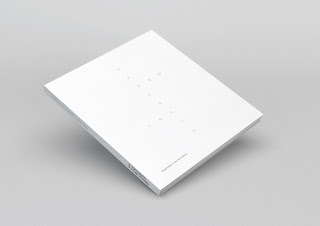
The editors of The New Concrete: Visual Poetry in the 21st Century , Victoria Bean and Chris McCabe, will be leading an online course for The Poetry School , beginning on 15th September 2015. The New Concrete: Visual Poetry in the 21st Century (Hayward Publishing, 2015) One of the narratives of visual poetry since the 1950s is that the form has become one that can be taken up by any poet at some stage of their writing life. The concrete movement had such a strong impact that it's impossible not to write poetry and to consider, at some point, how these techniques might be put into practice in a particular poem or sequence. Edwin Morgan is significant here. His work is remarkable for its variety, dexterity and energy. I have always felt that his concrete poetry allowed him to get right down into the syllables, particles and phonemes of poetic language which he could later put to such effective use in his non-concrete work. Like an arachnophile coming back from year...


Comments